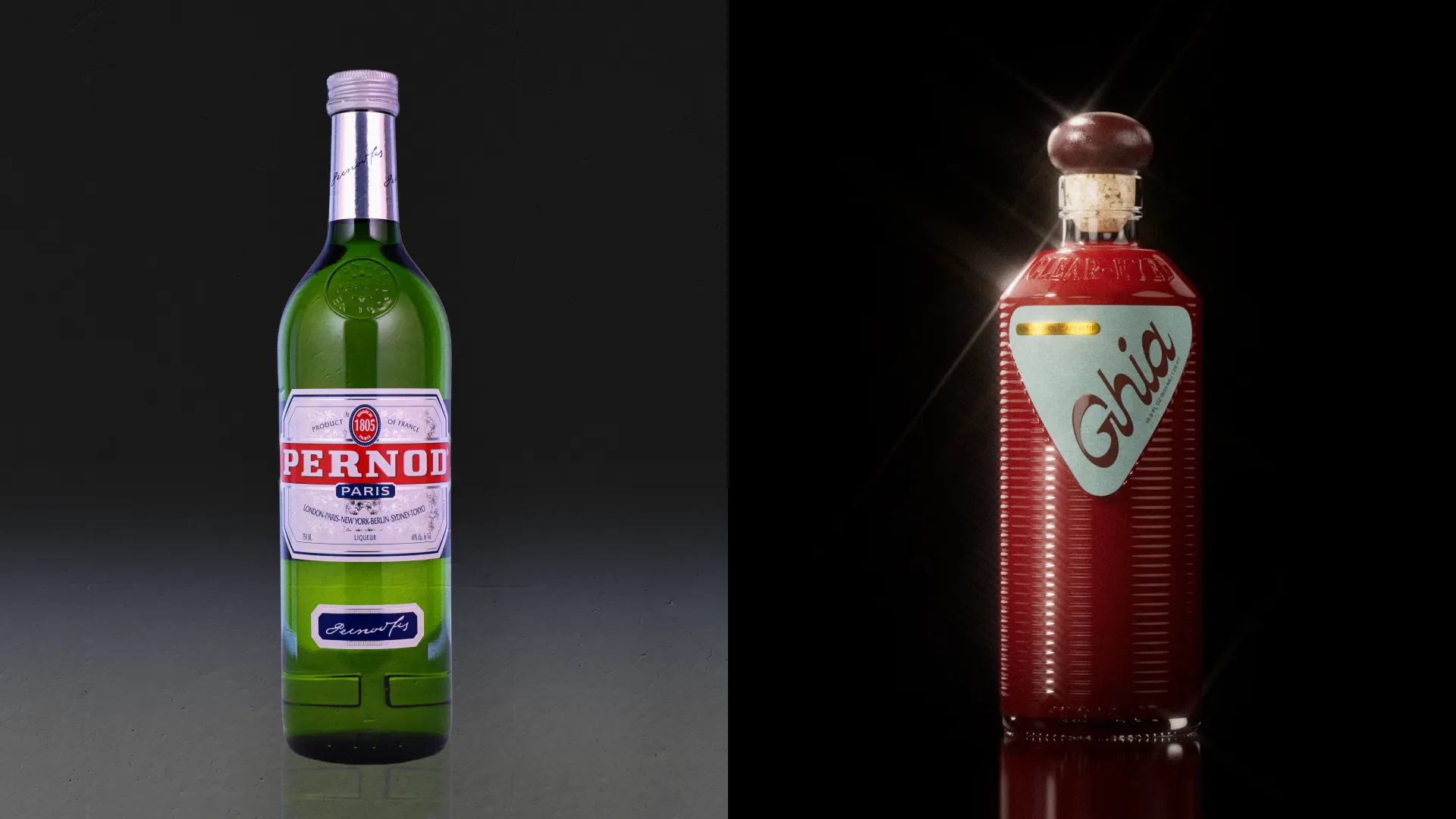
Pernod: An aperitif steeped in myth and ritual
A few years ago, I traded city life for the countryside. There, I occasionally meet friends at a small local restaurant and like to start the evening with an aperitif. The drinks menu is rather limited when it comes to aperitifs, so one day I ended up ordering a Pernod. My thinking was simple: “I haven’t had one of those in ages!”
In that sense, I rediscovered the classic French anise-flavored aperitif almost by accident. At the same time, I came to appreciate it all over again: on a warm, sunny evening, it instantly evokes a sense of holiday and escape.
Why is that? Part of the answer lies in the product itself, which is consumed far more commonly in Southern than in Northern Europe. As a result, it carries a strong geographical association, and many German consumers may well have encountered Pernod while on summer holiday. One sip, and memories come flooding back, accompanied by the sound of cicadas in the background.
These personal associations are reinforced by a broader mythology. Like other anise-based spirits and the closely related pastis, Pernod traces its roots to absinthe, the legendary “green fairy” once surrounded by an aura of prohibition and intrigue. Deliberate design elements such as ornamental details, classic serif typography, and references to the founding year all draw on the brand’s long-standing heritage.
Pernod is also deeply connected to ritual. To conviviality. To the aperitif as a shared moment and a transition from day to evening. And to the simple act of diluting the spirit with ice-cold water. Consequently, Pernod is not just the product itself. The brand also encompasses water carafes and pitchers, widely used in restaurants and cafés, but equally sought after as collectors’ items.