Five Learnings from
Biennale Internazionale Grafica 2026
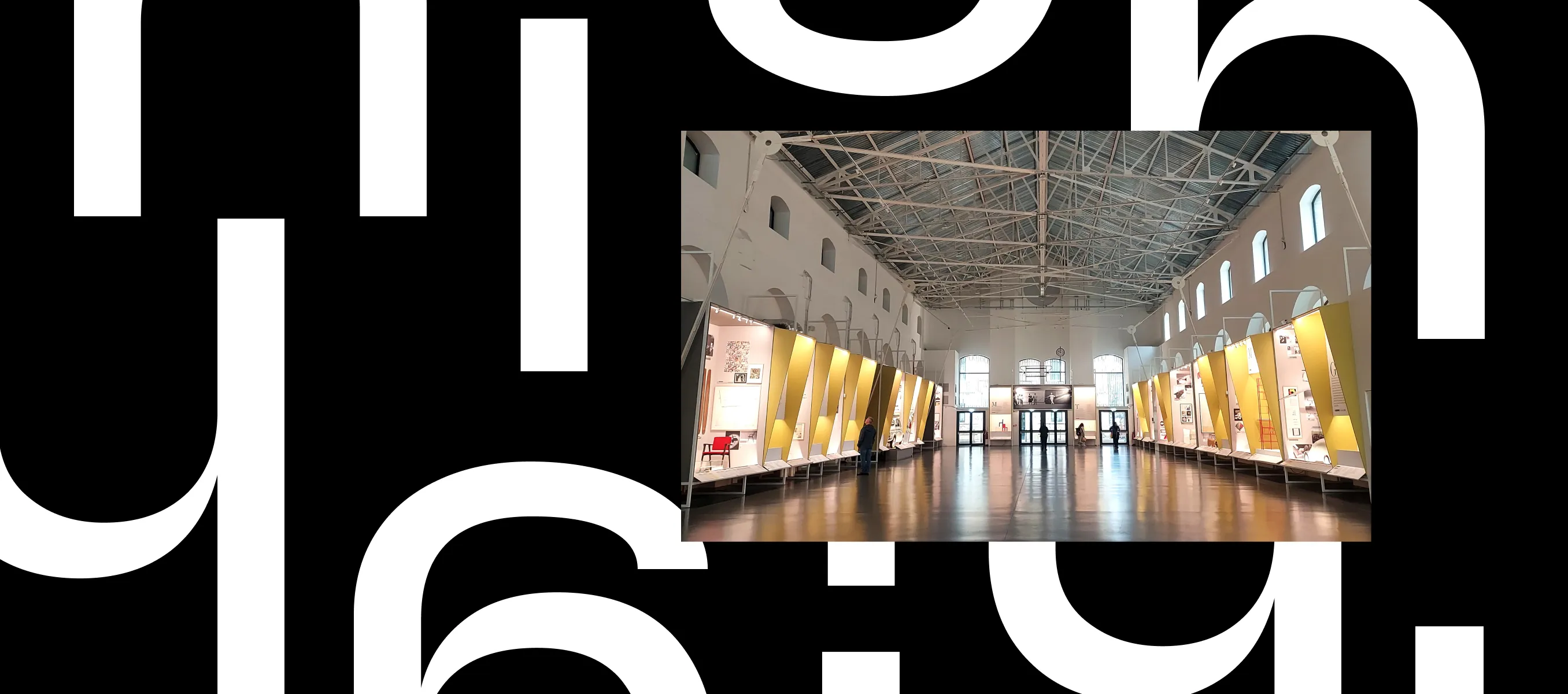
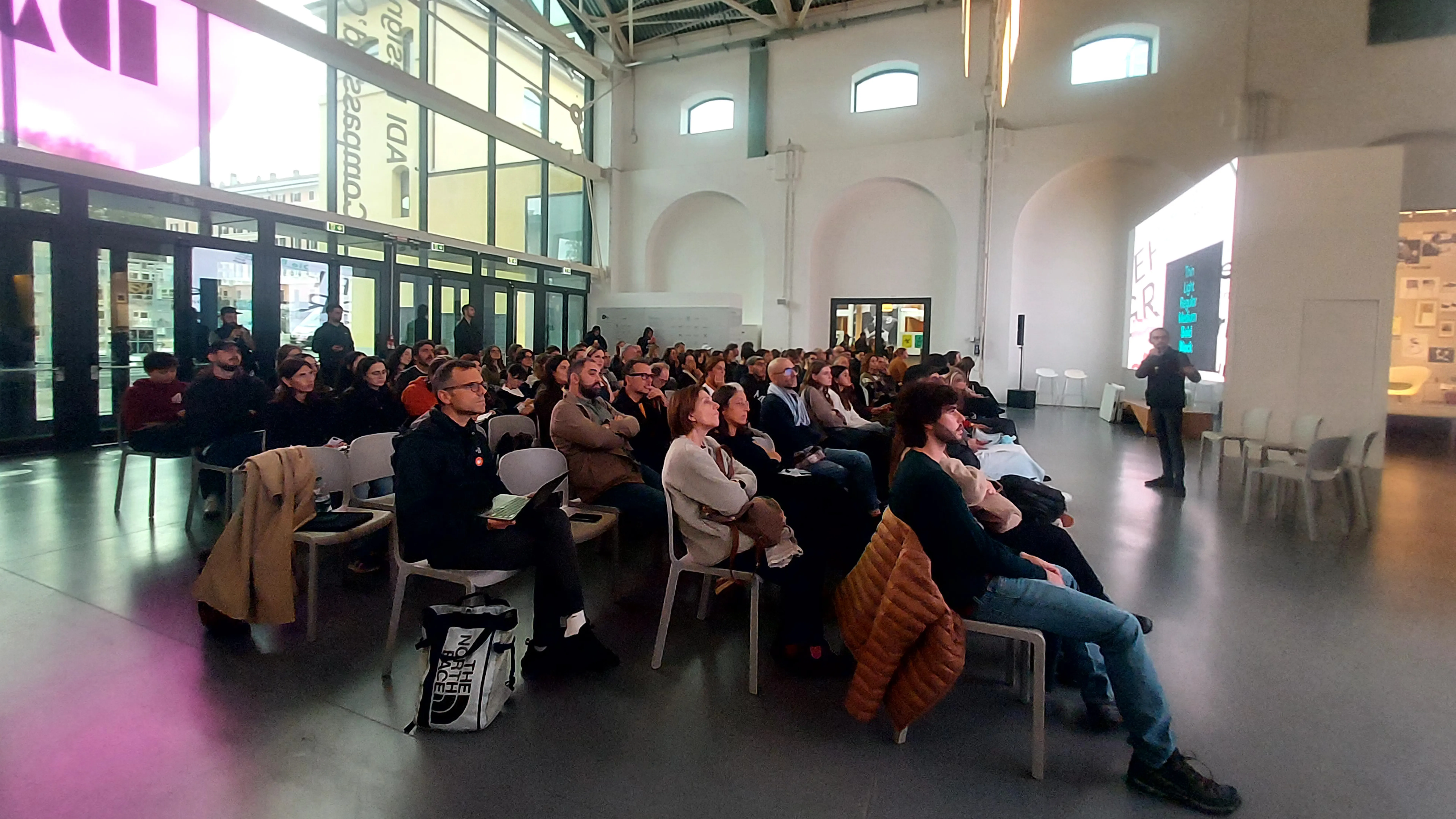
This year Peter Schmidt Group was a partner of BIG – Biennale Internazionale Grafica 2026, taking place in Milan. We have collected five learnings from the conference.

Five Learnings from
Biennale Internazionale Grafica 2026
This year Peter Schmidt Group was a partner of BIG – Biennale Internazionale Grafica 2026, taking place in Milan. We have collected five learnings from the conference.
BIG put the spotlight on the role of design in raising awareness of social sustainability issues. Together with AIAP – the Italian Association of Visual Communication Design – and in collaboration with Caffè MOAK, the event launched the project “WHAT’S BIG? 100 grams of work, coffee and design”. At the heart of the initiative are 30 creative visions developed by designers and studios from different backgrounds, with different experiences and perspectives. Their work is featured on the labels of Caffè MOAK's 100-gram coffee tins, creating a special collection where each package becomes an opportunity for expression and reflection.
Packaging goes beyond its practical function and becomes a communication tool, bringing a social message into everyday life. It's a way of showing how even an everyday object can become a vehicle for culture and help raise awareness of important issues.
The “WHAT’S BIG? 100 grams of work, coffee and design” collection is available on the AIAP e-shop, where people can buy the 100-gram tins and support the promotion of design culture.
Images speak to us and make us think. They challenge ideas and identities, both personal and collective. This was one of the key messages of the Id-ictionary exhibition, which brought 70 posters created by an international selection of members of the Alliance Graphique Internationale (AGI) to BIG.
All the works explore one single concept, one single word: together. The poster, a traditional design tool from the analogue era, proves it can still be highly relevant today, connecting with the digital world too. And delivering a universal message of unity.
Knowledge, awareness, responsibility and cross-disciplinary thinking. According to the speakers at BIG, these are the key principles that should guide designers in their work.
Designers need to be open to change and to ideas coming from other industries and disciplines. At the same time, they must stay focused on the fundamentals of graphic design and on their relationships with clients, without getting too caught up in the speed of technological innovation.
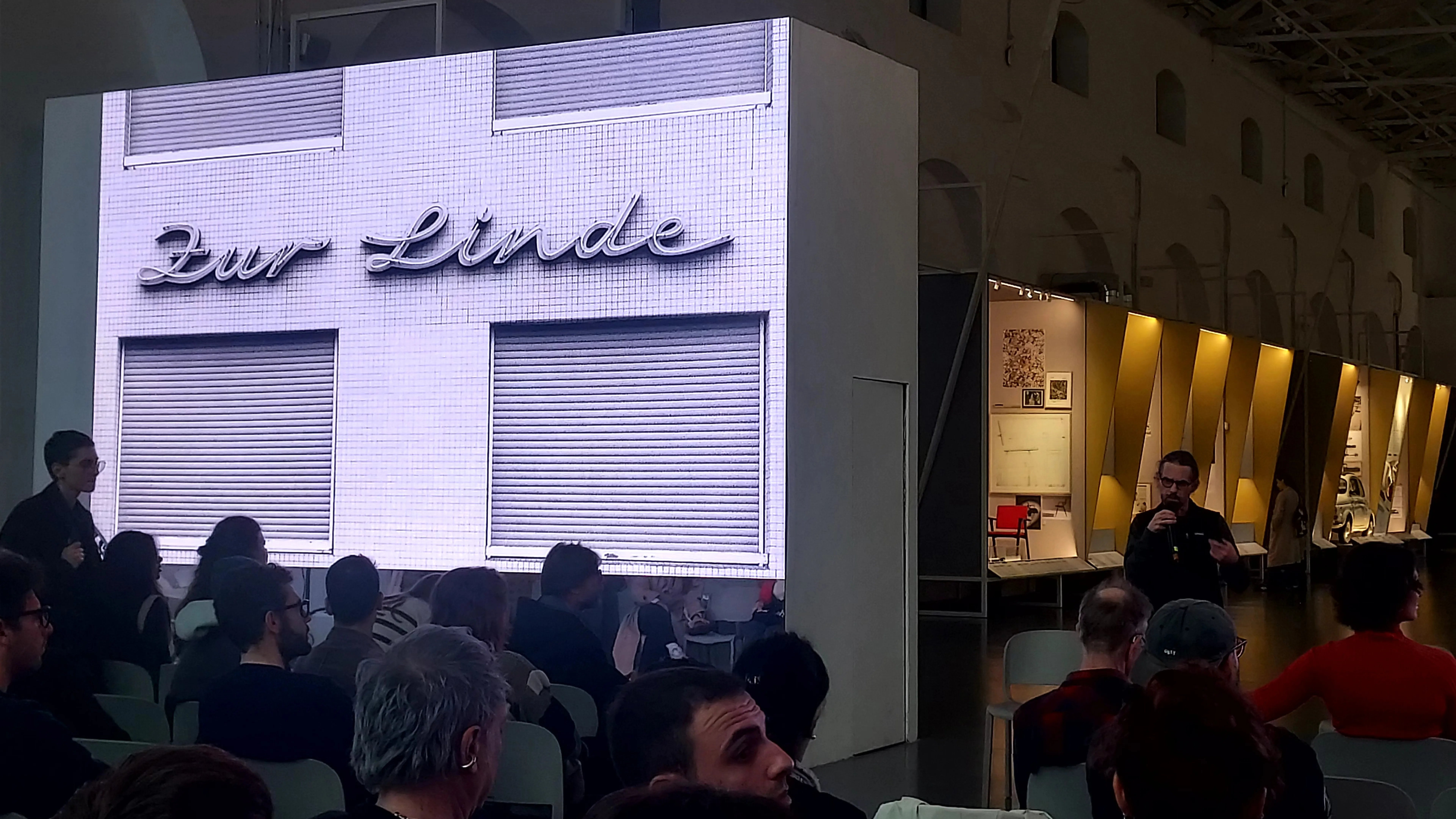
Understanding the history of typography, rediscovering its value and bringing it into the present are essential steps in developing a designer's skills. But this shouldn't remain just a theoretical exercise. Designers need to play an active role too. That's why our Sven Fuchs invited everyone to contribute to Typewalk.net, an online platform and community dedicated to lettering in public spaces. The project focuses on mapping and visually documenting historical lettering, shop signs, storefronts and building façades in cities around the world.
It's a valuable heritage that designers can draw inspiration from as they look towards the future. And the future brings new challenges and opportunities. As Esteban Barco explained while presenting the guide “Transform, Learn, Liberate – Building generative design systems for the web with creative coding”, these opportunities are increasingly linked to creative coding and the new possibilities the web offers to designers. This also means exploring free and open tools, rather than relying only on the ready-made software solutions offered by big tech companies.
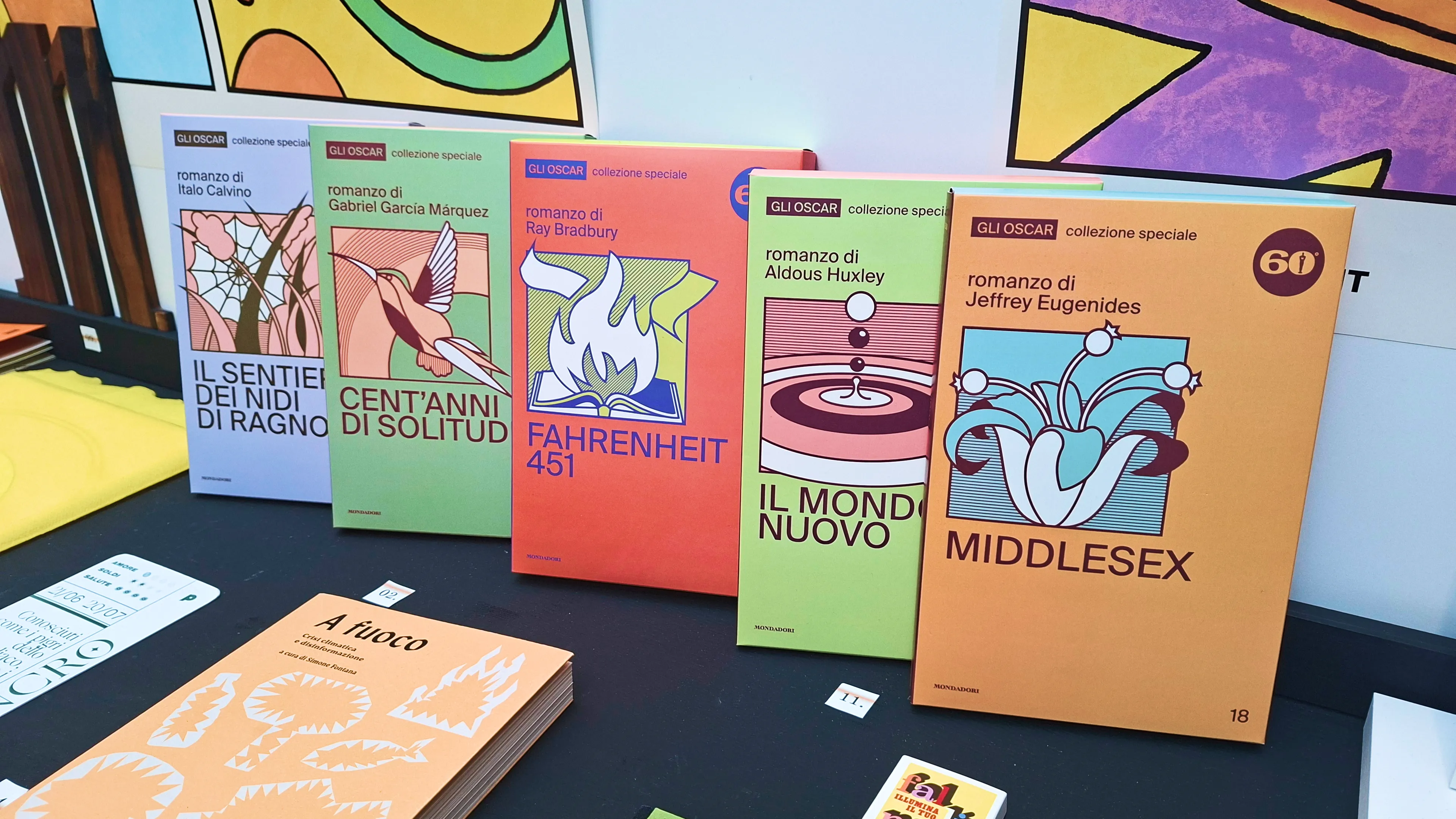
In a digital world, it might be easy to think that books are becoming outdated. But for designers, they remain an exciting space for experimentation. A great example is the Best Book Design from all over the World exhibition, curated by Beautiful Italian Books, which showcased the 14 finalists of the international award at BIG. The exhibition highlighted two contrasting trends.
On one side, there's the need for maximum digital visibility: books need to stand out even as tiny thumbnails on online stores and social media. On the other, there's a return to a more human, handcrafted and imperfect aesthetic, partly as a response to the growing presence of artificial intelligence.
The potential of books as a creative playground was also clear in the project presented by Valeria Schriber: “Uprooted – Decolonizing Furniture Design”. The book explores how colonialism and globalization have shaped furniture design. Its innovative cover, featuring an original system of interlocking elements, allows readers to highlight the different materials used in the furniture production explored throughout the book.
Get in touch!
Cristina Balbo
Director Consulting
PETER SCHMIDT GROUP